

Perimenopause Anxiety: Why It Happens and How to Manage It
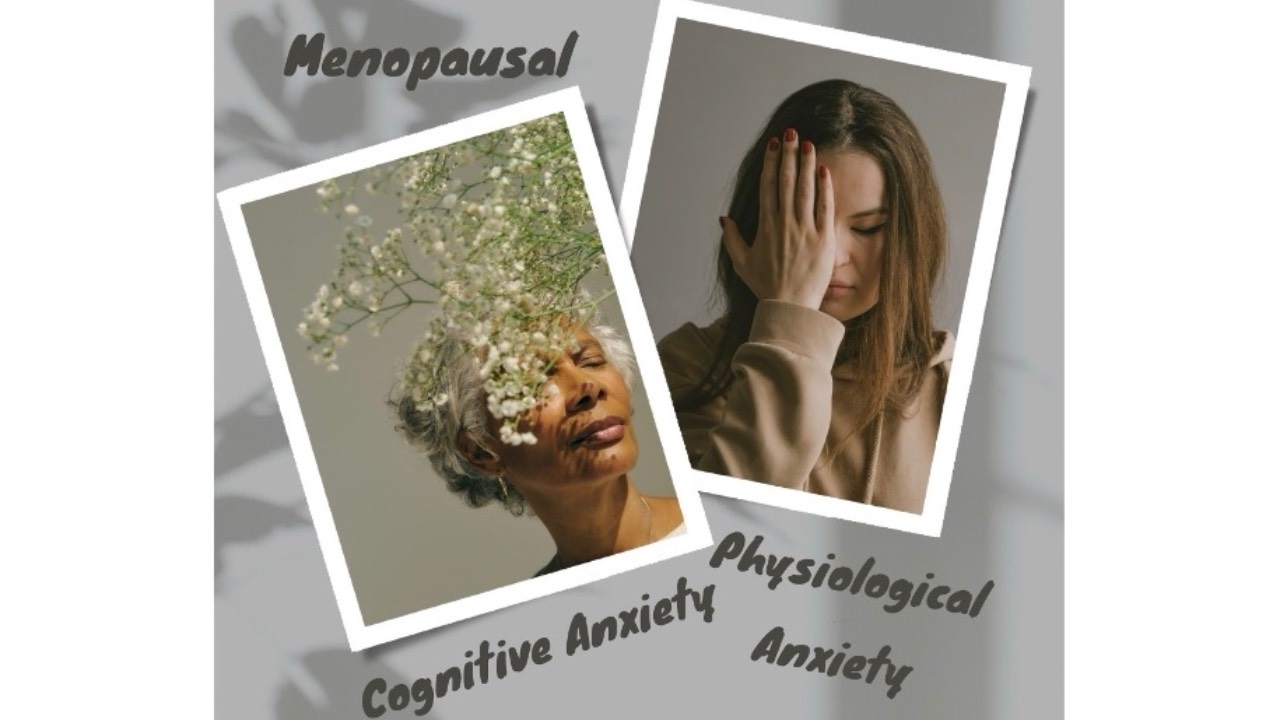
Anxiety is one of the most common and often earliest symptoms of perimenopause. For many women, it can appear suddenly and feel confusing, particularly if they have never experienced anxiety before.
Understanding why this happens is an important first step toward managing it effectively.
Perimenopausal anxiety is not simply “in your head.” In many cases, it begins in the body due to hormonal and physiological changes. Over time, psychological factors may then interact with these changes and intensify the experience.
Recognising this difference can be very empowering.
Why Anxiety Often Starts in Perimenopause
During perimenopause, the body goes through significant hormonal fluctuations. Two hormones are particularly relevant:
- Progesterone, which tends to decline significantly
- Oestrogen, which fluctuates dramatically with sharp rises and falls
Research shows that these hormonal shifts influence brain chemistry, stress responses, and emotional regulation. Progesterone normally has a calming influence through its effects on the GABA system in the brain, while fluctuating oestrogen can affect serotonin and other neurotransmitters involved in mood regulation.
As progesterone drops and oestrogen fluctuates, the nervous system can become more reactive.
This can lead to what I call “physiological anxiety” or body-based anxiety.
Physiological Anxiety: When Anxiety Starts in the Body
‘Physiological anxiety’ originates primarily in the body rather than in thought patterns.
During perimenopause, fluctuating levels of oestrogen and declining progesterone affect brain chemistry and the regulation of the autonomic nervous system (ANS). This means that the nervous system becomes more prone to enlist the the “fight-or-flight” response.
This can produce symptoms such as:
- sudden feelings of anxiety or panic
- heart palpitations
- internal restlessness
- heightened startle response
- difficulty relaxing
Importantly, hormonal shifts are not the only triggers.
‘Physiological anxiety’ can also be amplified by factors that affect the nervous system, including:
- poor or insufficient sleep
- elevated cortisol levels
- high caffeine consumption
- fluctuating blood glucose levels
- chronic stress
When these influences combine with hormonal fluctuations, the nervous system can become overstimulated.
Supporting the Body First
Addressing physiological anxiety requires a holistic approach that supports nervous system regulation. Helpful starting points may include:
- improving sleep quality
- stabilising blood sugar through balanced nutrition
- moderating caffeine and alcohol intake
- reducing chronic stress exposure where possible
- prioritising rest and recovery
- cultivating calming environments and relationships
Connecting with calm influences in our lives can support co-regulation, which helps the nervous system settle and recover.
Creating this foundation is essential for reducing the physiological drivers of menopausal anxiety.
Cognitive Anxiety: When Thoughts Amplify the Symptoms
Alongside “physiological anxiety”, a second layer can develop and lead to what I call “cognitive anxiety”.
This type of anxiety is driven by interpretations, worries, and fears about the physical symptoms themselves.
For example, women may begin to notice:
- a racing heart
- a sudden wave of anxiety
- dizziness or shakiness
If these sensations are interpreted as dangerous or alarming, the mind can become hypervigilant, constantly scanning the body for signs that the symptoms might return.
This often leads to:
- persistent worry about future anxiety episodes
- increased monitoring of bodily sensations
- catastrophic interpretations of physical signals
Over time, this cycle of hypervigilance and misinterpretation can amplify the physical symptoms and make anxiety feel even more overwhelming.
Untangling the Web of Perimenopausal Anxiety
Managing anxiety in perimenopause requires an integrated approach that addresses both the body and the mind.
Understanding these symptoms through the lens of menopause-informed psychological care can help women recognise the interaction between hormonal changes, nervous system activation, and cognitive responses.
The process typically involves two complementary steps.
- Rebalancing the Body
First, it is important to address the physiological drivers of anxiety by supporting autonomic nervous system regulation, hormonal balance, sleep, and metabolic stability.
These foundations help reduce the intensity and frequency of anxiety responses.
- Rebalancing the Mind - Working with Thoughts and Interpretations
Once the body is supported, Cognitive Behavioural Therapy strategies can help women:
- understand the nature of physiological anxiety
- challenge misinterpretations of bodily sensations
- reduce hypervigilance
- build confidence in managing symptoms
This process helps break the cycle where fear of symptoms creates more anxiety.
Reclaiming Calm During the Menopausal Transition
Perimenopausal anxiety can feel frightening, especially when it appears unexpectedly. However, understanding what is happening often brings immense relief.
Many women discover that once they support their autonomic nervous system and change how they respond to bodily signals, the intensity of anxiety begins to reduce.
With the right knowledge and strategies, it is entirely possible to move from feeling overwhelmed by anxiety to feeling back in control.
Menopause is a period of profound biological change, but it can also be a time of growth, insight, and renewed resilience.
Embracing Change! Transforming with Kindness!
Content Disclaimer: The information provided in this blog is for informational purposes only and does not constitute professional advice. Please do not rely solely on the content of this blog when making decisions or taking action about your health. For personalised advice and guidance, consult a qualified professional before making any changes based on this information. Menopause CBT Clinic® disclaims all liability and responsibility arising from any reliance placed on any of the contents of this blogpost.
Ready to take control of your emotional wellbeing during the menopause?
Contact us to start your journey and unlock your inner-GLOW. Our team at Menopause CBT Clinic® is here to support you every step of the way.
Send us a message using the form below and we will get back to you as soon as possible.
We hate SPAM. We will never sell your information, for any reason.
